
Moving to Aurora, ON: What You Need to Know Before You Buy
If you’re seriously considering moving to Aurora, don’t start looking at houses just yet.
There are details that can easily get overlooked when buying a home, and they’re often the things that determine how much you’ll actually enjoy living there. From choosing the right neighbourhood and understanding school boundaries to commuting, traffic and even what a street feels like at different times of day, there’s more to consider than what you’ll find in a real estate listing.
Here are a few things I think every buyer should know before buying a home in Aurora.
In this article, you’ll learn:
What to consider when choosing between Aurora’s 10 neighbourhoods
Important things to check if schools matter to your move
What you should know about getting around Aurora before choosing where to live
How your street can affect your day-to-day experience more than you might expect
What I recommend doing before deciding if a particular street is right for you
There Isn’t One “Best” Neighbourhood
Aurora has 10 neighbourhoods, and they aren’t just different in price. They can feel completely different depending on the type of home, lot size, age of the community and lifestyle you’re looking for.
Aurora Estates, for example, includes some of the town’s larger properties. Steeplechase Avenue is one of my favourite streets in the area, with gated properties, privacy and a beautiful setting.
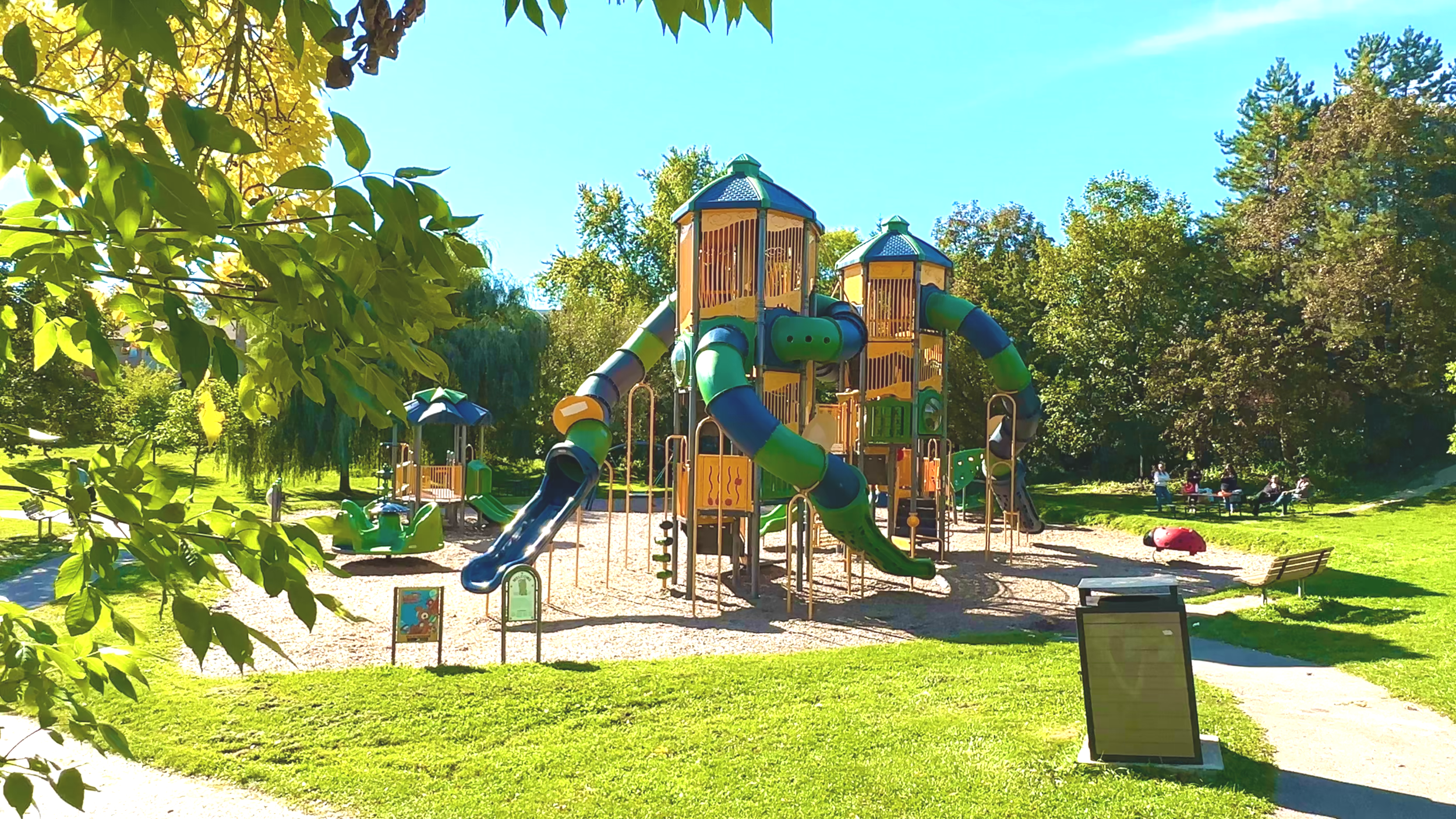
Aurora Heights has a very different feel, with predominantly bungalows and two-storey homes and easy access to the Willow Farm and Lakeview trail systems. My kids grew up flying off the slides at Copland Park, sledding there in the winter and spending countless hours biking and playing on the trails.
Then there’s Bayview Wellington, where you’ll find the Town Hall, Aurora Arboretum and the Stronach Aurora Recreation Complex nearby, along with townhouses and more entry-level housing options.
The question isn’t which Aurora neighbourhood is best. It’s which one fits your lifestyle, priorities and budget.
If Schools Matter, Check the Address
Aurora is served by both the York Region District School Board and York Catholic District School Board, along with private school options.
Different schools may also offer programs such as French Immersion, Advanced Placement or International Baccalaureate, so it’s worth researching the specific programs available if they’re important to your family.
But there’s another detail buyers sometimes overlook: school boundaries are determined by the home address, not simply the neighbourhood.
Two homes only a few streets apart can be assigned to different schools.
If attending a particular school matters to your move, check the boundary using the specific property address rather than assuming that buying within a certain neighbourhood will give you access to that school.
Think About How You’ll Get Around
Aurora is largely a commuter town, with GO Transit, bus service and access to Highways 404 and 400.
But unless you’re living in a more central area such as Aurora Village, having a car will generally make day-to-day life more convenient.
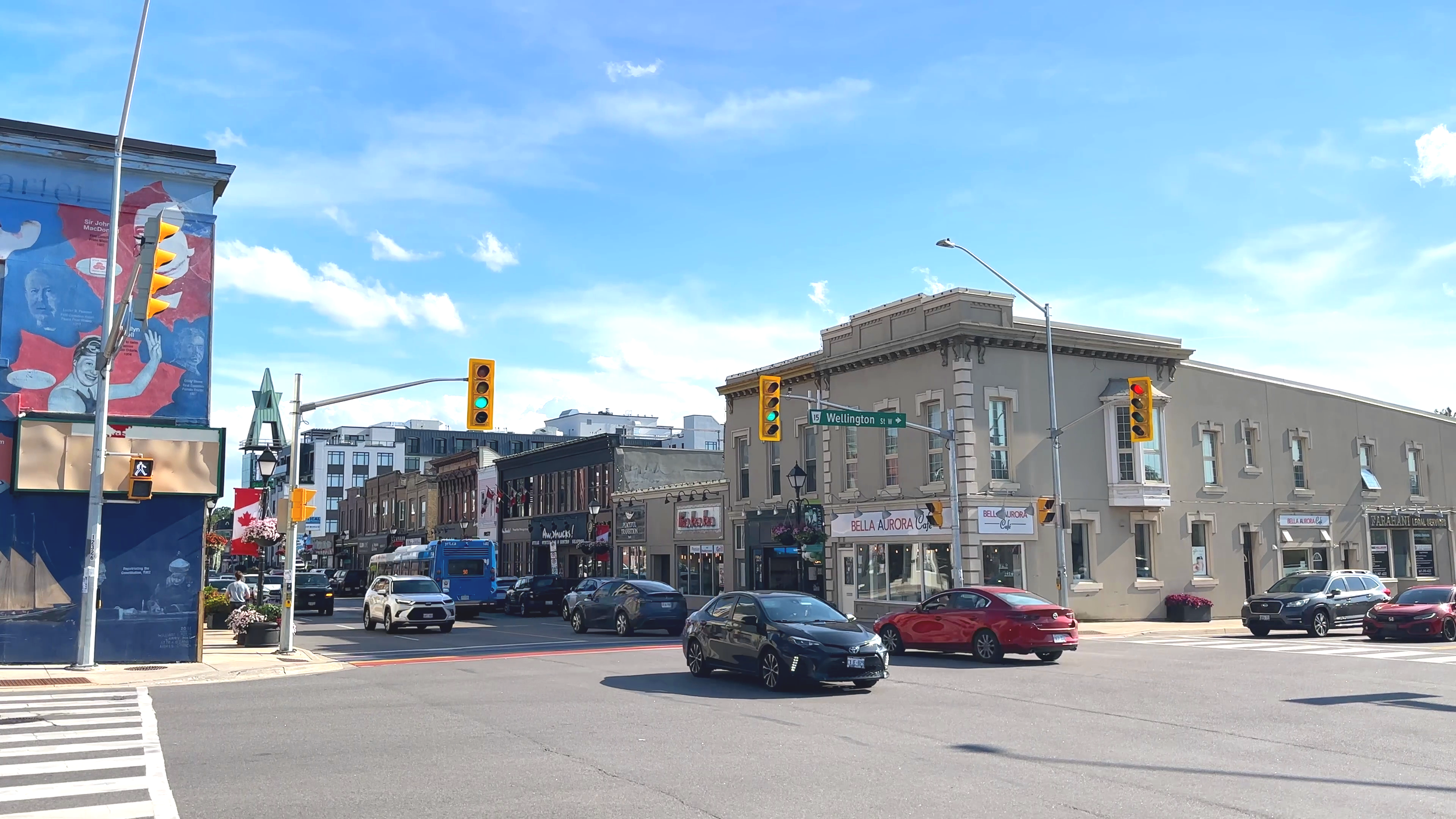
Traffic also changes depending on where and when you’re driving. Yonge Street and Wellington Street can become congested, while roads such as Bathurst Street, Industrial Parkway, St. John’s Sideroad and Bloomington Road can provide alternatives depending on where you’re headed.
This is worth considering before buying. A home may look perfectly located on a map, but your actual daily commute, school run or drive to activities can tell a different story.
Traffic and Train Noise
Proximity to Aurora’s railway tracks and busier roads can make a noticeable difference in how much traffic or train noise you hear. On some streets, you may barely notice it. On others, it can become part of daily life. This is one of those things that photographs and listing descriptions simply can’t tell you.
Before buying, I recommend spending some time on the street yourself. Visit at different times and pay attention to what’s happening around you, not just the house you’re considering.
Do a “Street Watch” Before You Buy
When you’re evaluating a home, look beyond the property itself. What happens during school pickup? How busy is the street during rush hour? Are nearby parks active in the evenings? Is there future development planned nearby? How does the area feel on a weekday compared with a weekend?
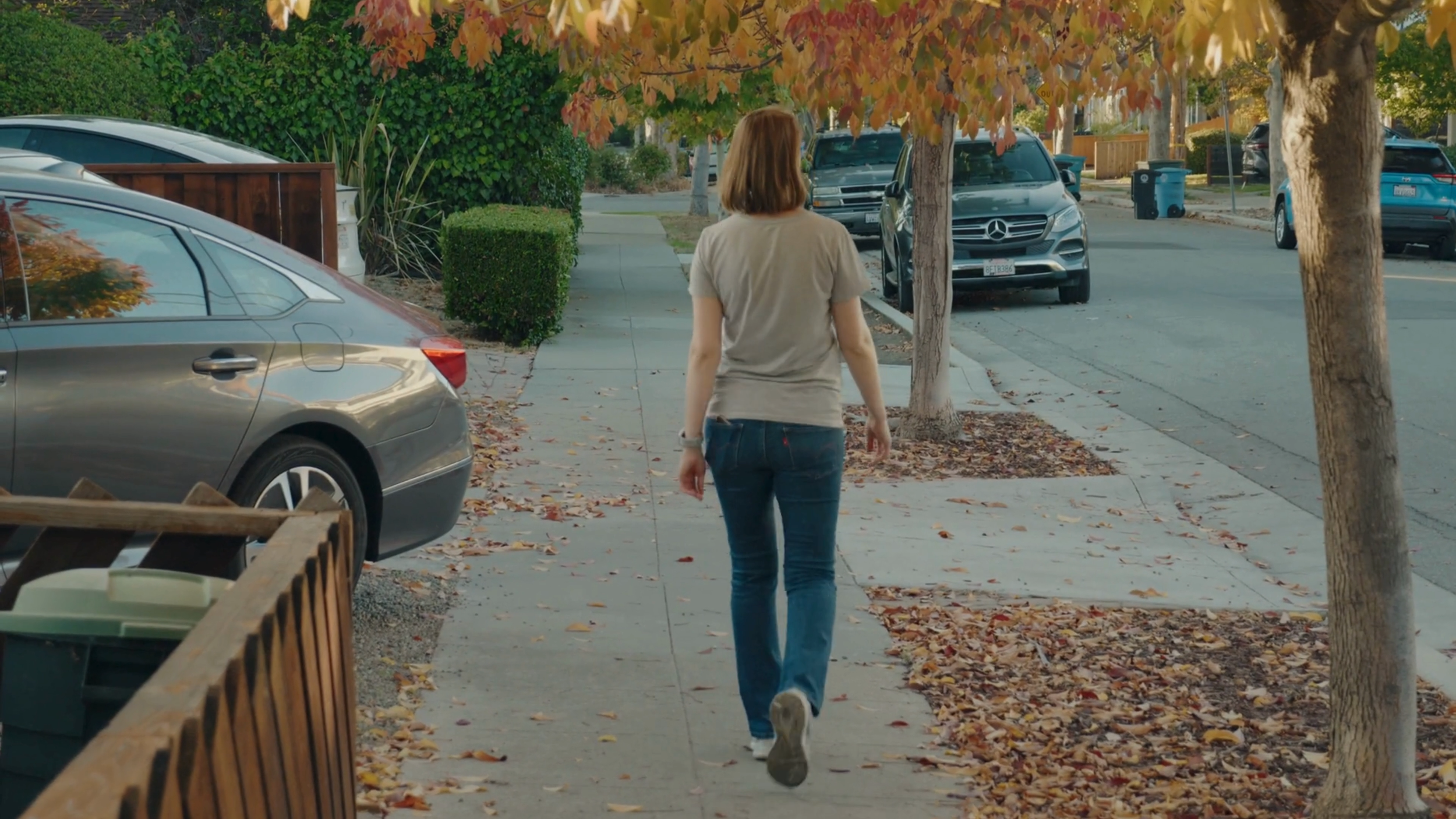
Walking the street at different times can tell you far more about what it will actually be like to live there. Because at the end of the day, you’re not just buying four walls. You’re choosing where and how you want to spend your life.
If you’re considering buying a home in Aurora and have questions about a particular neighbourhood, street, school zone or property, reach out. We’re always happy to share the local context that you may not find in a listing.