
Q&A: Home with Hidden Problems?
How to Avoid Buying a Home with Serious Defects
Watch our quick Q&A video below to learn how to protect yourself from buying a home with serious defects.

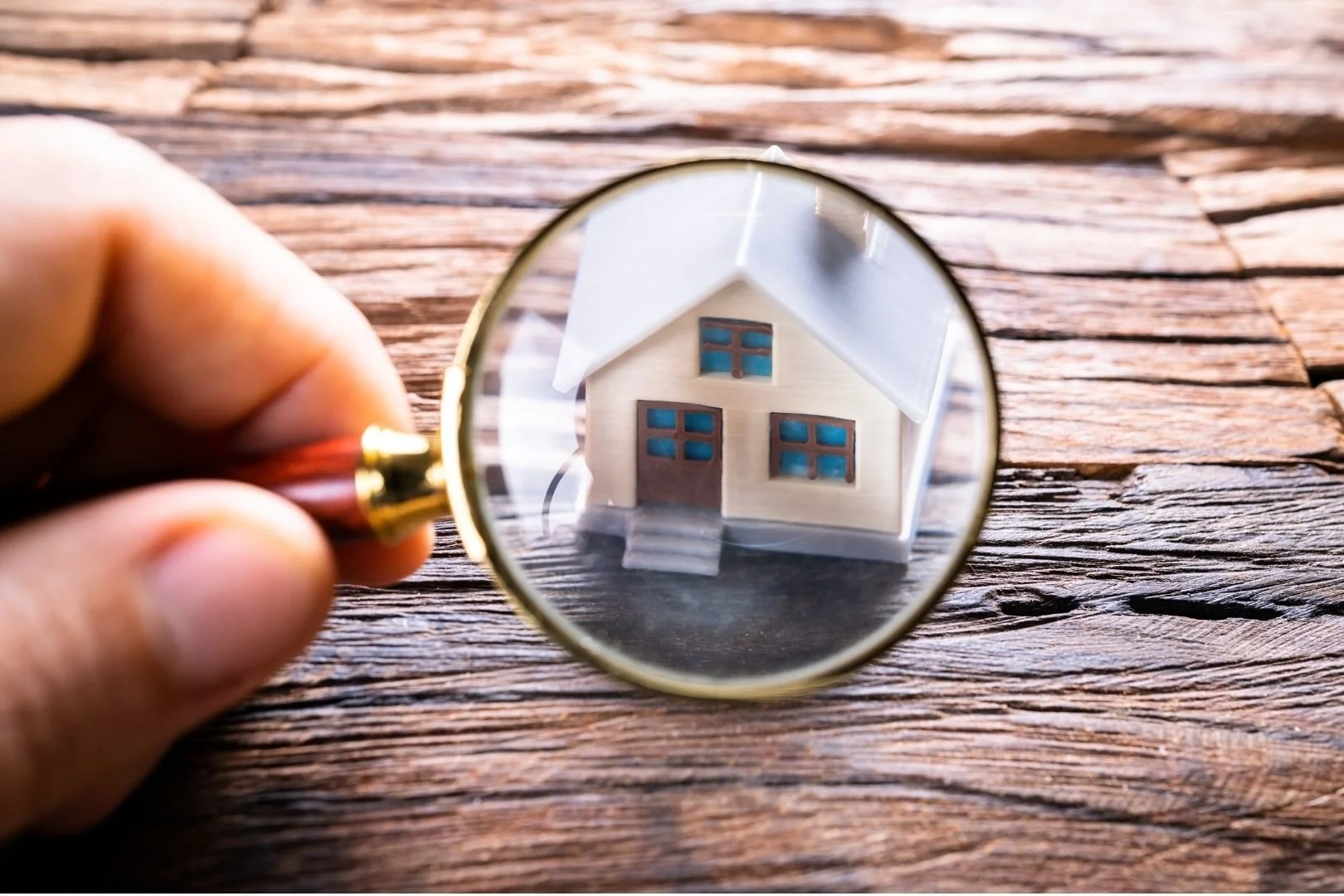
Buying a home is one of the biggest financial decisions you’ll make, so one of the biggest concerns buyers have is discovering a serious problem after the keys are in their hands.
While you can’t guarantee a home will be perfect, you can take steps to uncover potential problems before you’re committed to the purchase.
Here’s how.
1. Don’t Skip the Home Inspection Without Understanding the Risks
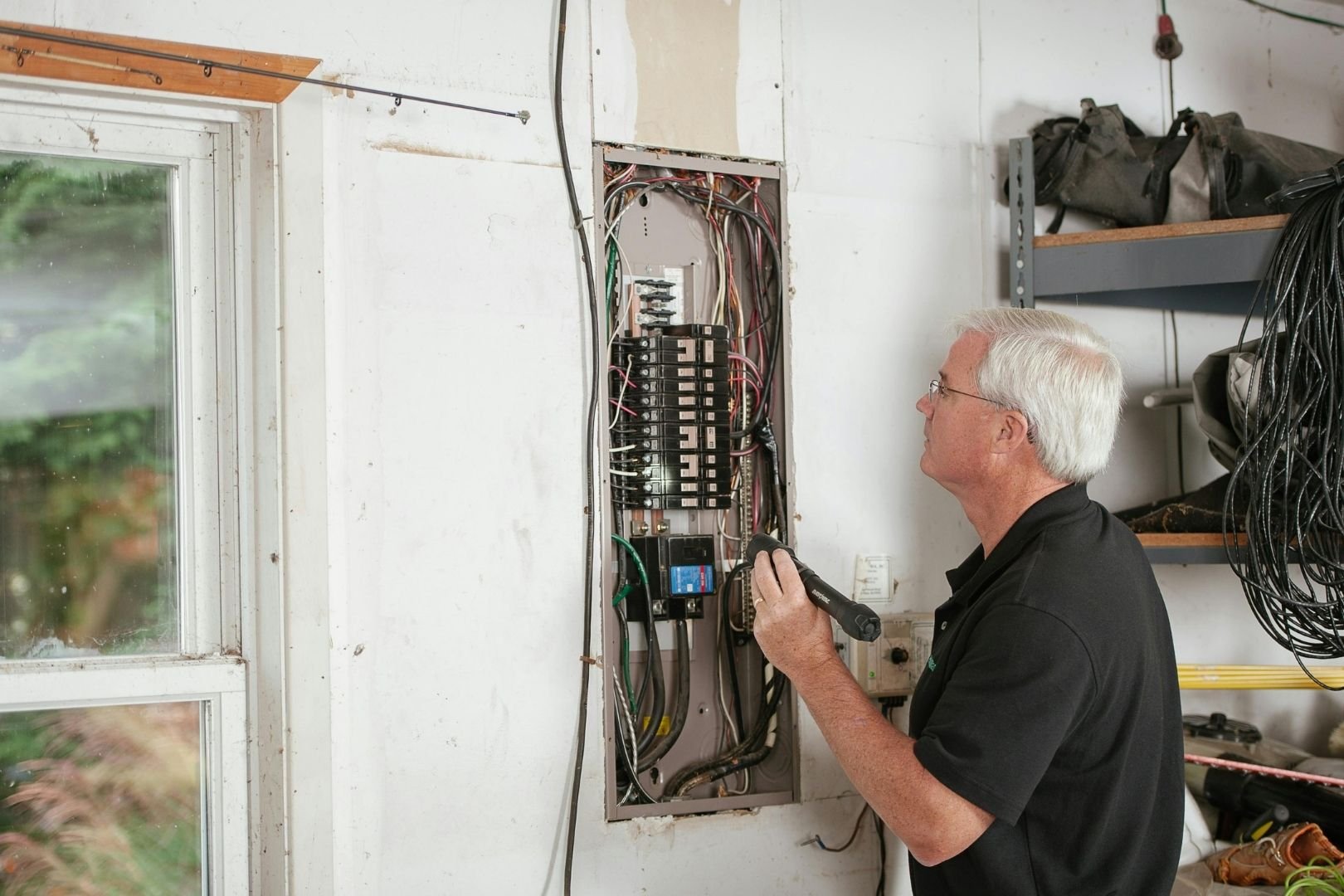
A professional home inspection is one of the most important due diligence steps a buyer can take. A qualified home inspector can identify potential issues with major components of the property, including:
Roof and attic
Foundation and structure
Electrical systems
Plumbing
Heating and cooling systems
Windows and doors
Insulation and ventilation
Signs of water damage or moisture intrusion
An inspection isn’t a guarantee that every problem will be discovered, and inspectors generally aren’t evaluating every component of a home in the same way a specialized contractor would. But it can reveal issues you may not notice during a typical showing and help you understand where further investigation may be necessary.
2. Look Beyond the Inspection
Due diligence doesn’t start and end with the home inspection. Before buying, it’s important to look at the bigger picture surrounding the property. Depending on what information is available, that may include reviewing:
Property history
Seller disclosures
Building permits
Renovation history
Previous listing information
Maintenance records
Other available property documentation
We also pay close attention to what we see during showings. Sometimes there isn't one obvious red flag. Instead, there may be several smaller clues that, when considered together, suggest a potential issue. For example, signs of moisture, a fresh patch of drywall, an unusual smell, or evidence of recent work could each have an innocent explanation but they may also warrant additional questions or investigation.
3. Take Warning Signs Seriously
A warning sign doesn’t automatically mean you should walk away from a property. It means you should understand it before moving forward.
If something catches your attention during a showing or inspection, ask questions. Find out why the work was done, whether permits were obtained when required, and whether a qualified professional should take a closer look.
The goal isn't to find a home with absolutely nothing wrong with it. That's unrealistic. The goal is to understand what's wrong, how significant it is, what it could cost to address, and what risks you're accepting.
4. Know When to Bring in a Specialist
Sometimes a home inspection identifies a concern that requires expertise beyond the inspector's scope. For example, you may need to consult a:
Structural engineer
Electrician
Plumber
Roofing professional
HVAC specialist
Foundation or waterproofing contractor
Getting a specialist involved can give you a much clearer picture of the problem and help you determine what to do next. Depending on the circumstances, that could mean proceeding with the purchase, negotiating repairs, negotiating a price adjustment, or deciding the property isn't right for you.
5. Don't Confuse “Not Perfect” with “Too Risky”
Every resale home has imperfections. The presence of an issue doesn't necessarily make a property a bad purchase. What matters is understanding the severity, cost, urgency, and potential consequences of the problem.
A dated roof may simply need to be budgeted for. A structural concern may require much more careful consideration. Those are very different situations and you need enough information to tell the difference.
The Goal Is Informed Decision-Making
You can't eliminate every risk when buying a home, but you can significantly reduce the chance of being blindsided by an expensive problem. A thorough inspection, careful review of available property information, attention to warning signs, and specialist advice when necessary can help you make a more informed decision.
No home is perfect. The goal is to know exactly what you're buying before you remove your conditions and commit to the purchase. With the right due diligence and guidance, you can move forward with greater clarity and avoid expensive surprises after you get the keys.
Thinking about buying a home in Aurora, Newmarket, or the surrounding York Region? The right questions before you buy can be just as important as finding the right property.